


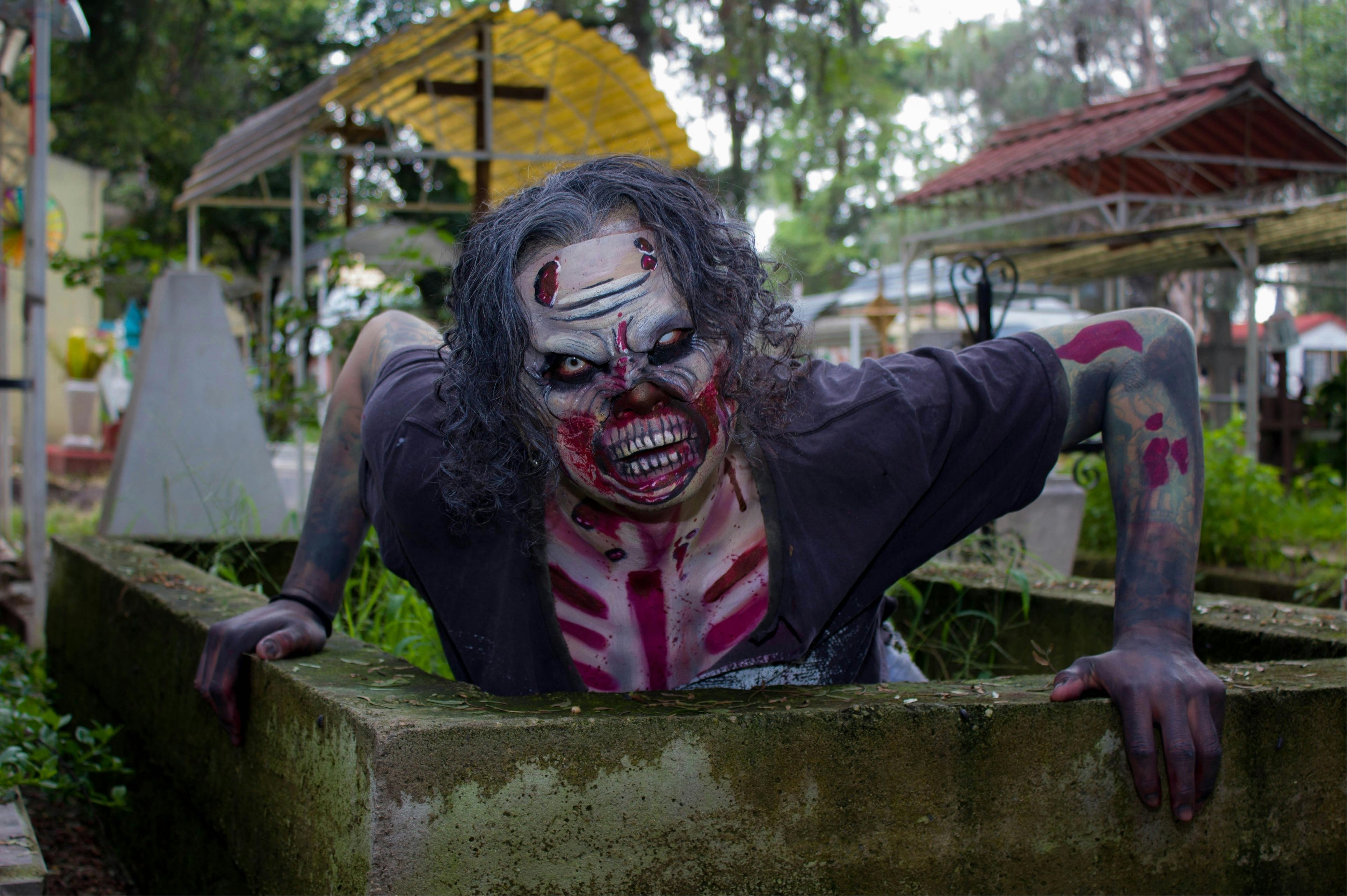
Every October, warehouses become zombie-infested laboratories, cornfields fill with chainsaw-wielding monsters, and amusement parks transform into entire haunted worlds. For guests, the goal is simple: show up, get scared, and have fun.
Behind the scenes, though, a large-scale haunted attraction is an impressive feat of event production.
Long before the first unsuspecting guest walks through the door, teams have spent months designing sets, coordinating performers, installing equipment, planning crowd flow, and figuring out the countless logistical details necessary to keep the screams coming all night long.
Here’s a look behind the curtain at what it takes to bring a massive haunted attraction to life.
Building a World From Scratch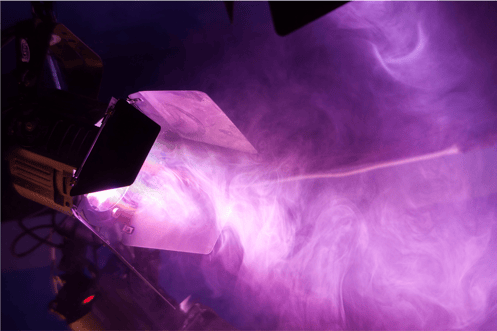
A great haunted attraction needs to convince you that you've stepped somewhere you definitely shouldn't be.
Temporary walls create winding corridors and hidden passages. Elaborate props turn ordinary buildings into abandoned hospitals, haunted hotels, laboratories, graveyards, and whatever other nightmare the designers can dream up.
And unlike a movie set, guests aren't viewing everything from one carefully selected camera angle. They're walking directly through it.
That means designers have to think about everything from sightlines and hiding places for actors to emergency exits and the durability of sets that may have thousands of people passing through them during the Halloween season.
Lighting, Sound and Special Effects
Sometimes what you can't see is much scarier than what you can.
Lighting designers use darkness, strobes, colored lights, projections, and carefully placed illumination to direct attention or hide exactly what guests aren't supposed to notice yet.
Sound adds another layer. Hidden speakers can fill rooms with screams, footsteps, whispers, alarms, thunder, or unsettling background noise. Special effects like animatronics, moving props, air blasts, fog, and sudden bursts of light help complete the illusion.
Getting all of those effects to work together requires an extensive network of electrical equipment, controls, and power sources operating reliably for hours at a time.
An Army of Monsters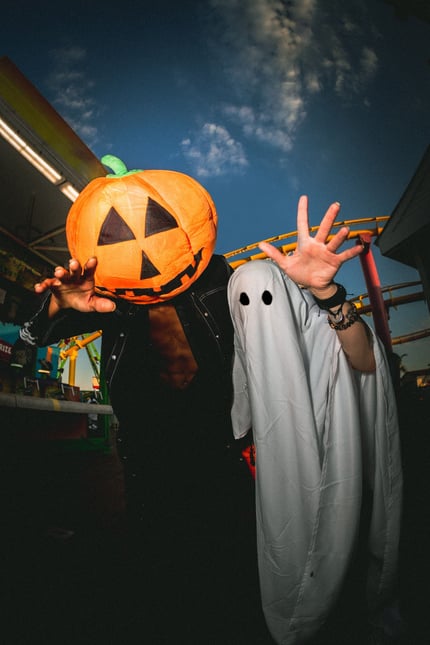
Of course, even the best set isn't particularly scary without someone waiting around the corner.
Large haunted attractions can employ dozens, or even hundreds, of performers, makeup artists, costume designers, technicians, security personnel, ticketing staff, and other crew members.
Actors have to learn more than how to deliver a good jump scare. Timing matters. They need to understand how guests move through each room, where they can safely perform, and how to keep groups moving without ruining the experience for the people behind them.
Then, every night, everyone has to get into costume and makeup, get into position, and do it all over again.
Managing the Crowds Outside the Haunted House
The scares may happen inside, but some of the biggest logistical challenges are outside.
Popular attractions can draw thousands of visitors in a single evening. Parking, ticketing, security, lines, restrooms, concessions, and waiting areas all have to accommodate crowds without creating chaos.
And there's another challenge: October weather.
Guests might arrive on a comfortable 65-degree afternoon and find themselves standing outside in temperatures 20 degrees colder a few hours later. Rain and wind can make outdoor queues even less comfortable.
For attractions operating in tents, warehouses, barns, or other unconventional spaces, keeping temperatures comfortable can become part of the production itself.
Climate Control: The Special Effect Nobody Notices 
Fog machines, lights, electronics, actors, and hundreds of guests can create surprisingly different conditions from one area of an attraction to another.
A packed indoor space may become hot and stuffy even on a chilly October evening. An uninsulated warehouse might have the opposite problem. Temporary tents, backstage areas, makeup stations, ticketing spaces, and employee break areas all have their own temperature needs.
Temporary heating, cooling, ventilation, and air movement can help event operators manage those changing conditions without interfering with the attraction itself.
It isn't the most glamorous part of event production and that's exactly the point.
Nobody leaves a haunted house talking about how comfortable the temperature was. But they certainly notice when it wasn't.
The Real Magic Happens Behind the Scenes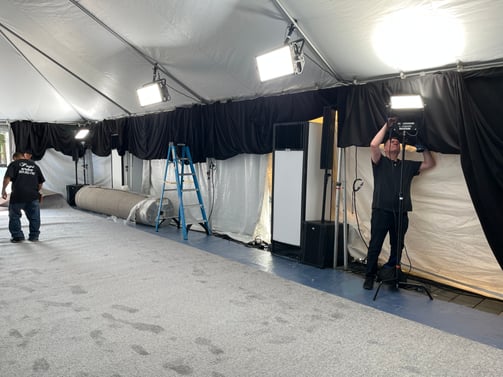
The best haunted attractions make everything feel effortless.
Guests see the creepy mansion. They don't see the miles of cables behind it. They hear footsteps following them down a hallway without thinking about the sound system hidden in the walls. They run screaming from the monster without noticing the crew coordinating everything behind the scenes.
That's true of almost every great event.
Whether it's a haunted attraction, wedding, festival, concert, or corporate event, much of what makes the experience successful happens where guests never see it.
At AirPac, we're proud to be part of that behind-the-scenes world. Temporary climate control may never get the same reaction as a perfectly timed jump scare, but when everyone is comfortable enough to stay focused on the experience, it's doing exactly what it's supposed to do.
This Halloween, here's to the designers, actors, technicians, event professionals, and everyone else behind the curtain, who make the screams possible.